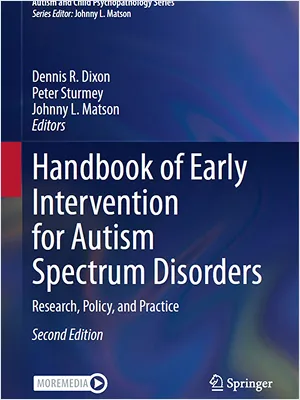




Our Research
Research that shapes practical, evidence-based support for children and families
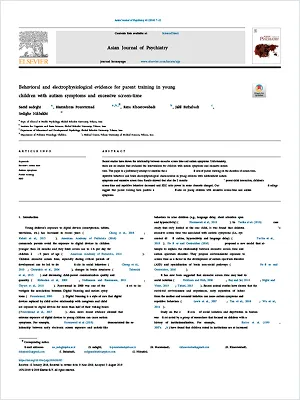
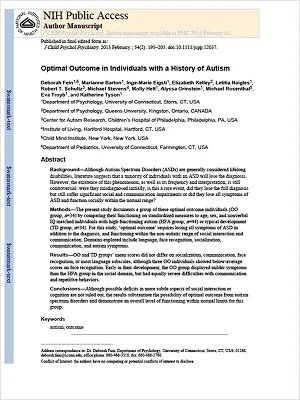
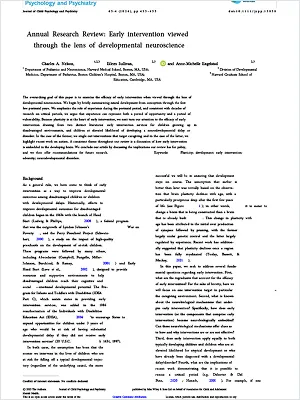
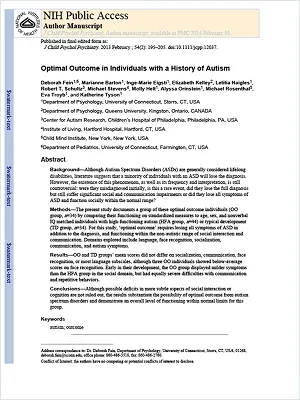
Our clinical approach is grounded in leading research from developmental neuroscience and early autism intervention. We use evidence-based strategies to support each child’s social, cognitive, and communication development during the years when the brain is most responsive to change. By integrating scientific insight with compassionate care, we create individualised programs that help children build foundational skills for lifelong learning.



Why Early Intervention Matters!
The early years of life represent a sensitive period in brain development, when neural connections are formed at an extraordinary rate. During this time, the brain is especially responsive to experience, making early support highly impactful.
Just as early detection matters for any serious health concern, earlier support shapes a child’s path further. Research shows that timely, evidence-based intervention strengthens developmental pathways related to communication, learning, and social engagement the brain’s ability to change and learn is highest, and the effort required for that change is lowest, the younger the child is.
- Early experiences help shape the brain’s architecture
- Intervention is most effective when provided during sensitive developmental windows
- Building core skills early supports long-term learning and independence
Evidence-Based Therapies We Use
Our programs are grounded in well-established, evidence-based approaches to early autism intervention, including the Early Start Denver Model (ESDM), parent-mediated interventions, and applied behavior principles focused on early development.

Communication

Social Skills

Daily Living Skills

Learning & Cognitive Skills

Behaviour Support

Research-Informed Care
We continuously align our clinical practices with emerging research in early autism intervention, developmental neuroscience, and parent-mediated therapies.
- Early behavioral intervention improves social outcomes
- Brain activity can become more socially responsive following therapy
- Some children show significant developmental gains with early support

How Our Approach Works!

Comprehensive Assessment
We evaluate social functioning to understand each child's needs.

Individualized Plan

Every program is tailored to the child’s developmental profile.

Intensive Early Support
Intervention focuses on the years when the brain is most adaptable.

Parent Partnership
Parents are active participants in the therapeutic process.
What Research Means for Your Child?
Evidence-based early intervention supports meaningful development across key areas of life.


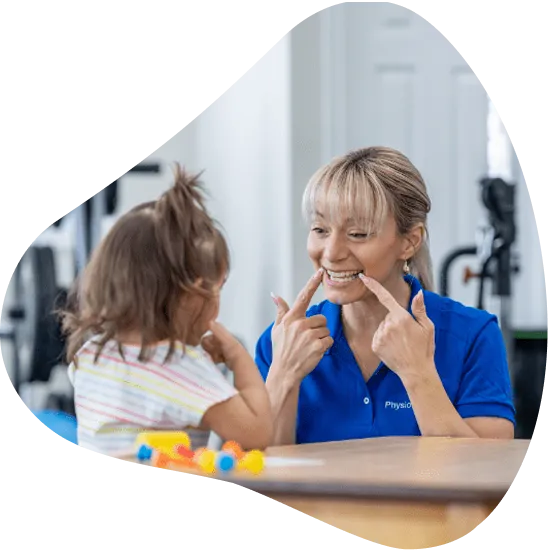

Communication Skills
Research shows that early intervention can help children develop language, communication, and social interaction skills that support meaningful connections with others.

Social Development
Evidence-based strategies encourage children to build relationships, engage with peers, and participate more confidently in family, school, and community settings.

Independence
Research-informed approaches help children better understand emotions, manage challenges, and build resilience in different environments.

School Readiness
Early support helps children develop the communication, attention, and learning skills needed to transition more successfully into educational settings.